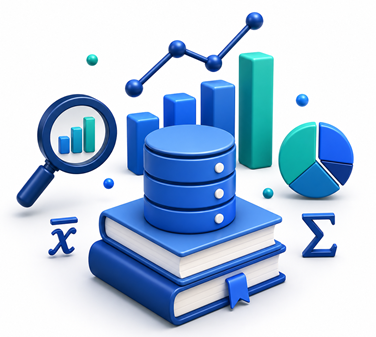
Foundations of Data Science
Master the essential skills and concepts needed before diving into Data Science.
LEARN · GROW · SUCCEED
Structured, free tutorials on Python, Data Science, Machine Learning and more.

Artificial Intelligence (AI) is a branch of computer science that enables machines to perform tasks that normally require human intelligence. It allows systems to learn from data, make decisions, solve problems, and improve their performance over time.
Master the essential skills and concepts needed before diving into Data Science.
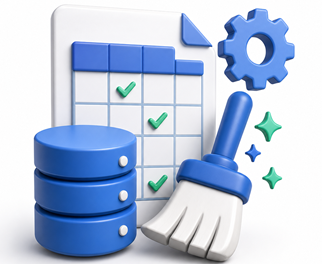
Data Preparation (or Data Preprocessing) is the process of cleaning, transforming, and organizing raw data into a structured format suitable for training Machine Learning models.
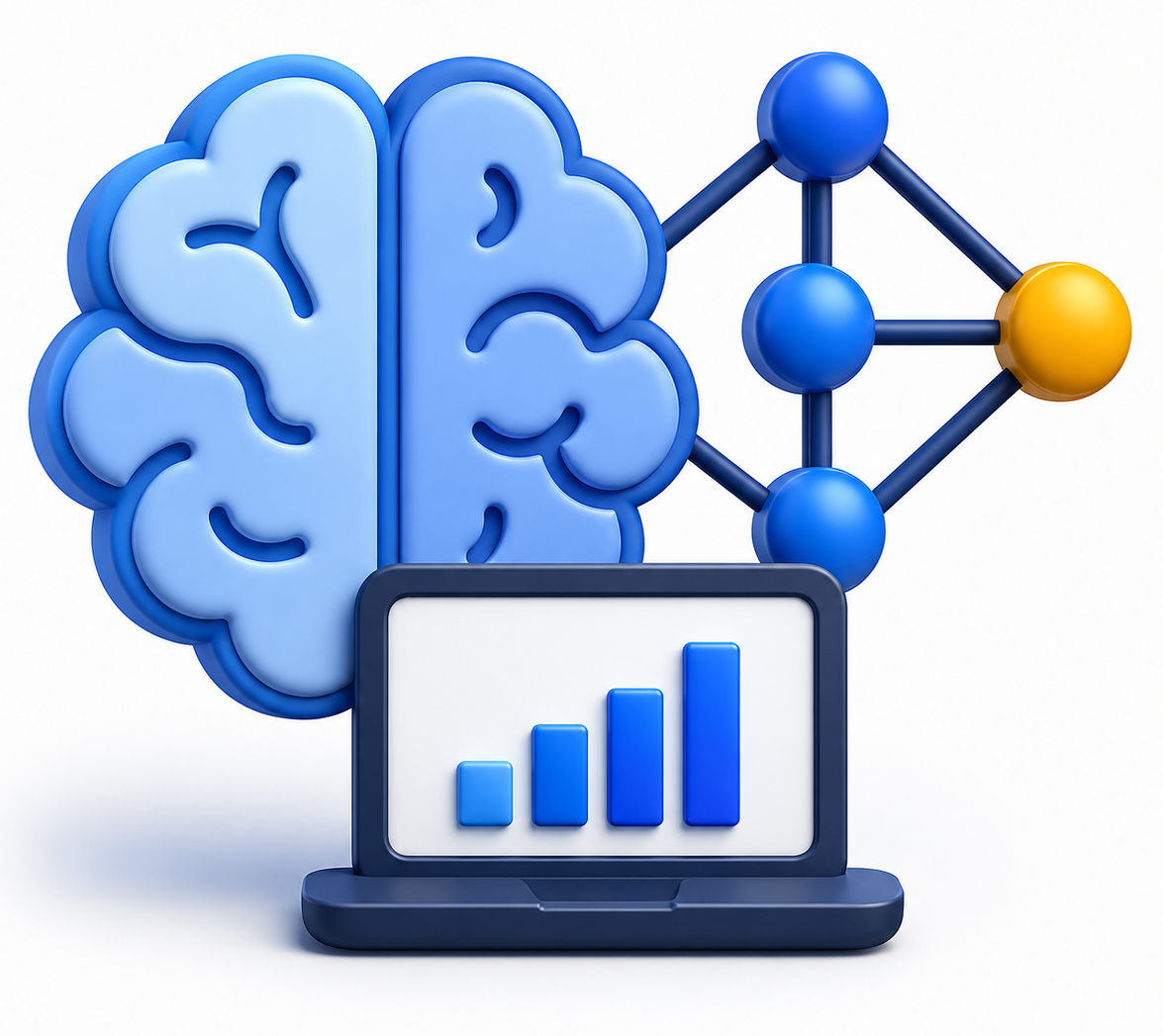
From predicting future trends to powering smart applications, Machine Learning is transforming the world by turning raw data into valuable insights and innovation.
Deep Learning is a branch of Machine Learning that uses artificial neural networks with multiple layers to automatically learn patterns from large amounts of data. It is widely used in image recognition, natural language processing, speech recognition, recommendation systems, and autonomous systems.
Natural Language Processing (NLP) is a branch of Artificial Intelligence that enables computers to understand, interpret, and generate human language.

A Large Language Model (LLM) is an advanced Artificial Intelligence system trained on massive amounts of text data. It understands and generates human-like language using deep learning techniques. LLMs can answer questions, write content, translate languages, and assist in coding.

Computer Vision is a field of Artificial Intelligence that enables computers to understand and analyze images and videos. It helps machines identify objects, faces, patterns, and movements automatically. Computer Vision is widely used in healthcare, self-driving cars, security systems, and robotics.

A Recommendation System is an AI-based technology that suggests relevant products, movies, videos, music, or content to users based on their preferences and behavior. It analyzes user interactions such as clicks, ratings, purchases, and watch history.
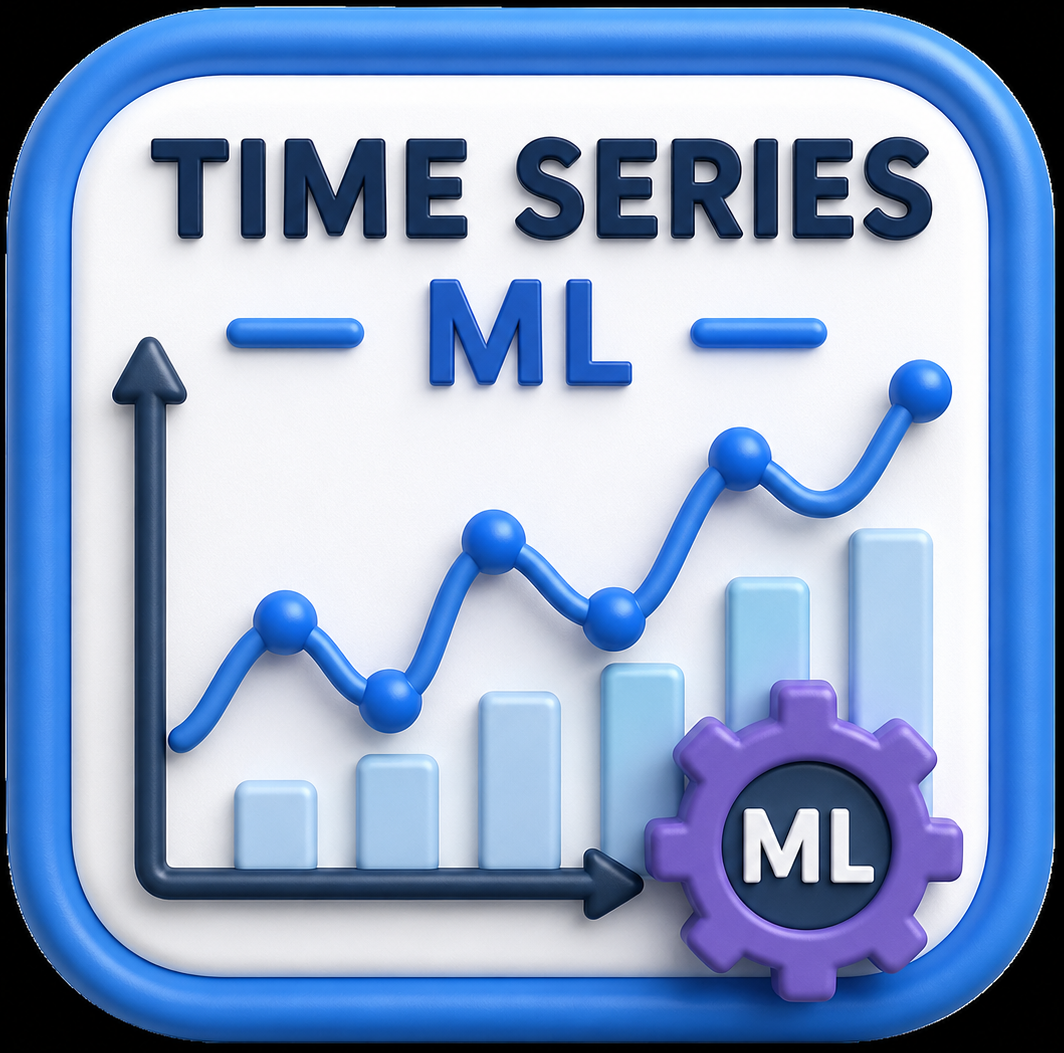
Time Series Machine Learning is used to analyze and predict future values based on historical time-dependent data. It helps in forecasting trends, patterns, and seasonal behaviors in data over time. Applications include stock prediction, weather forecasting, sales analysis, and demand forecasting.

Explainable AI (XAI) is a branch of Artificial Intelligence that makes machine learning models understandable to humans. It helps users know how and why an AI system makes decisions or predictions. XAI improves trust, transparency, fairness, and reliability in AI systems.
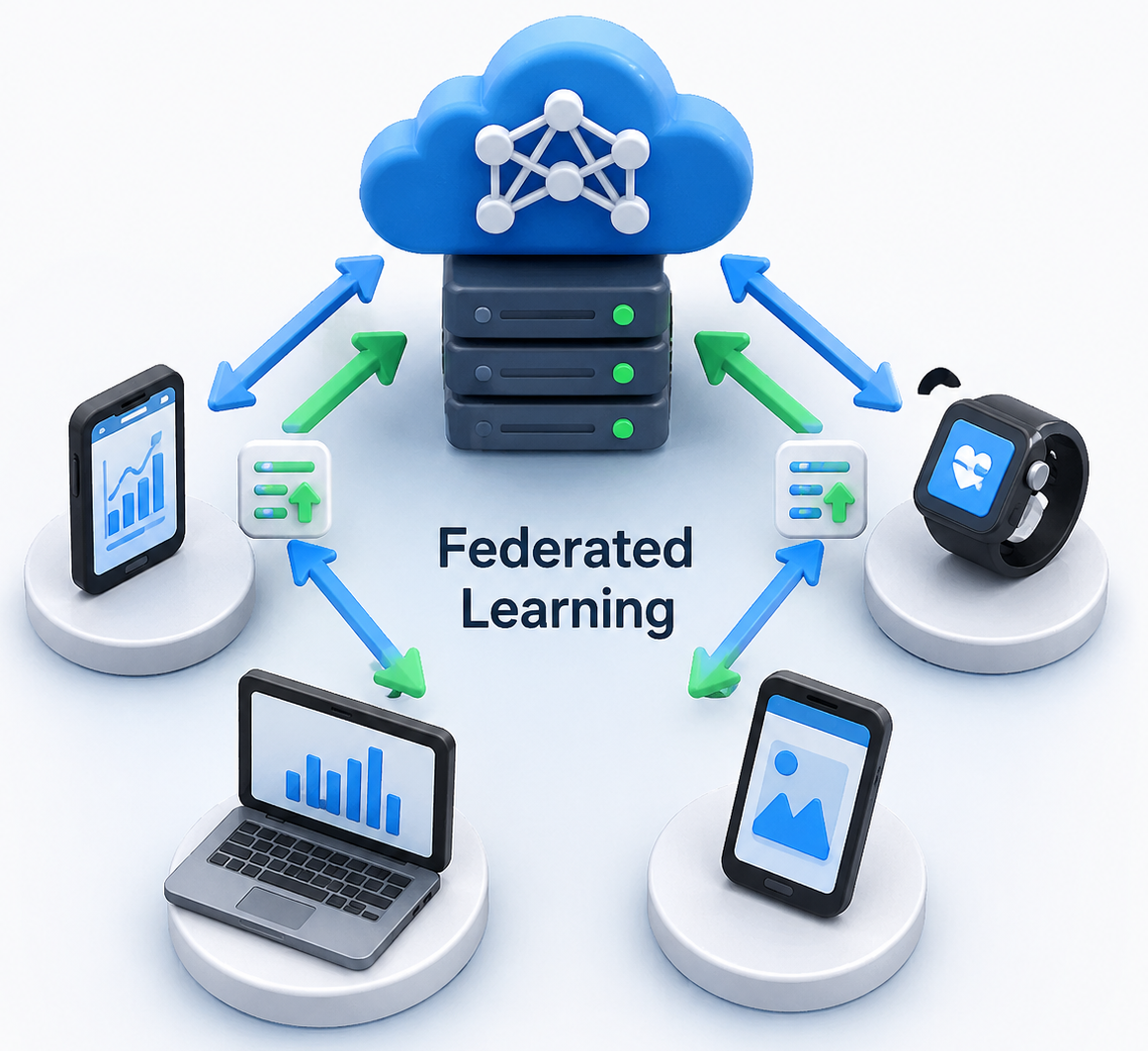
Federated Learning trains AI models across devices without sharing raw data. Each device learns locally and shares only model updates with a central server. It's the privacy-first approach powering modern AI in healthcare, mobile, and finance.

TensorFlow is an open-source machine learning framework developed by Google. It enables developers to build, train, and deploy AI and deep learning models. TensorFlow supports applications such as computer vision, NLP, and predictive analytics.
In this section, you’ll learn AI concepts through short, animated slides and easy-to-understand diagrams, making complex ideas simple and engaging.
Build a strong foundation in Data Science with essential concepts from statistics, probability, and data analysis. Learn the core knowledge needed to confidently progress toward Machine Learning, AI, and advanced analytics.
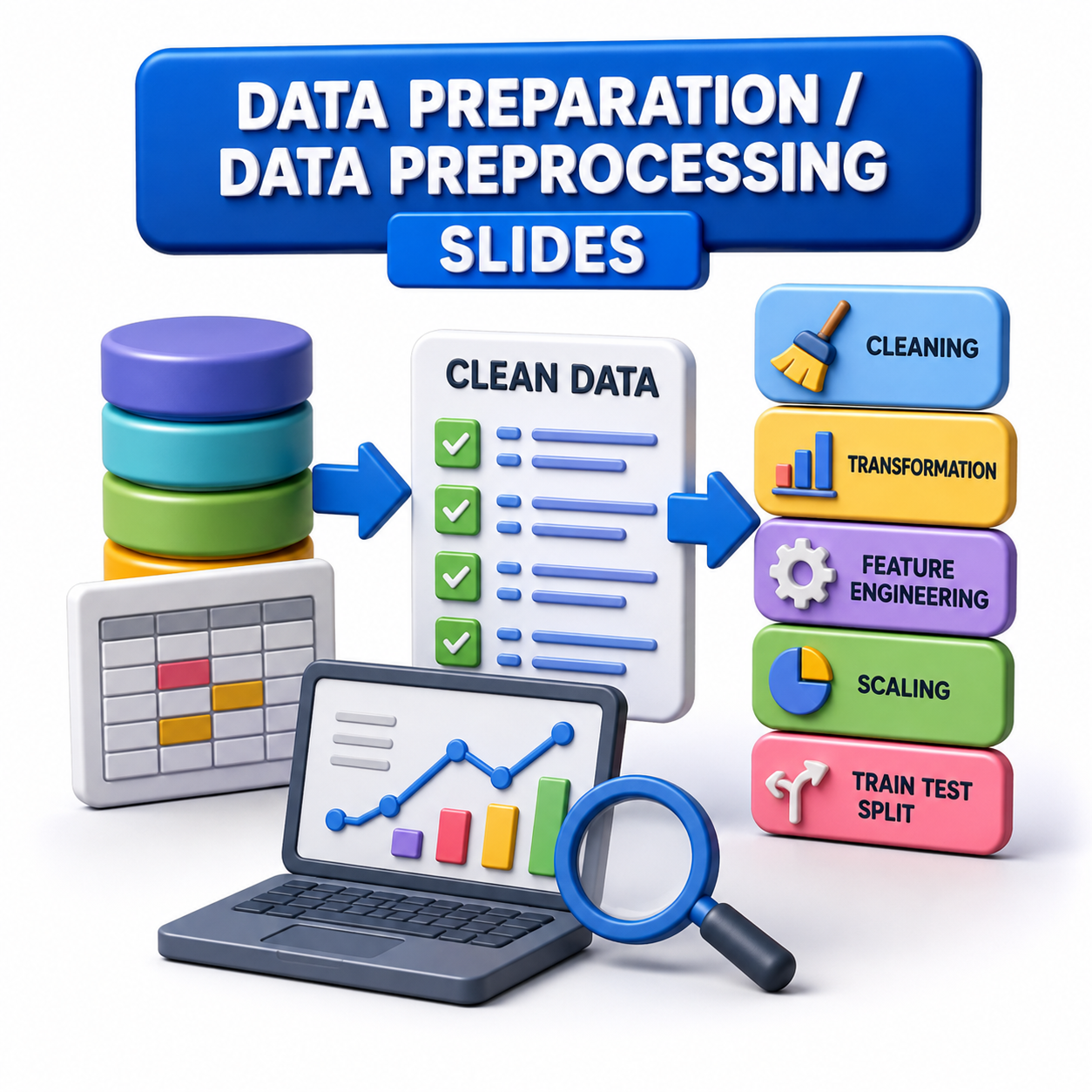
Learn how to clean, transform, and prepare raw data for effective Machine Learning through simple visual slides.
Machine Learning (ML) is a branch of Artificial Intelligence that enables computers to learn patterns from data without being explicitly programmed. It uses algorithms to make predictions, classifications, or decisions based on past experiences.
Explore the fundamentals, architectures, techniques, and real-world applications of Deep Learning.
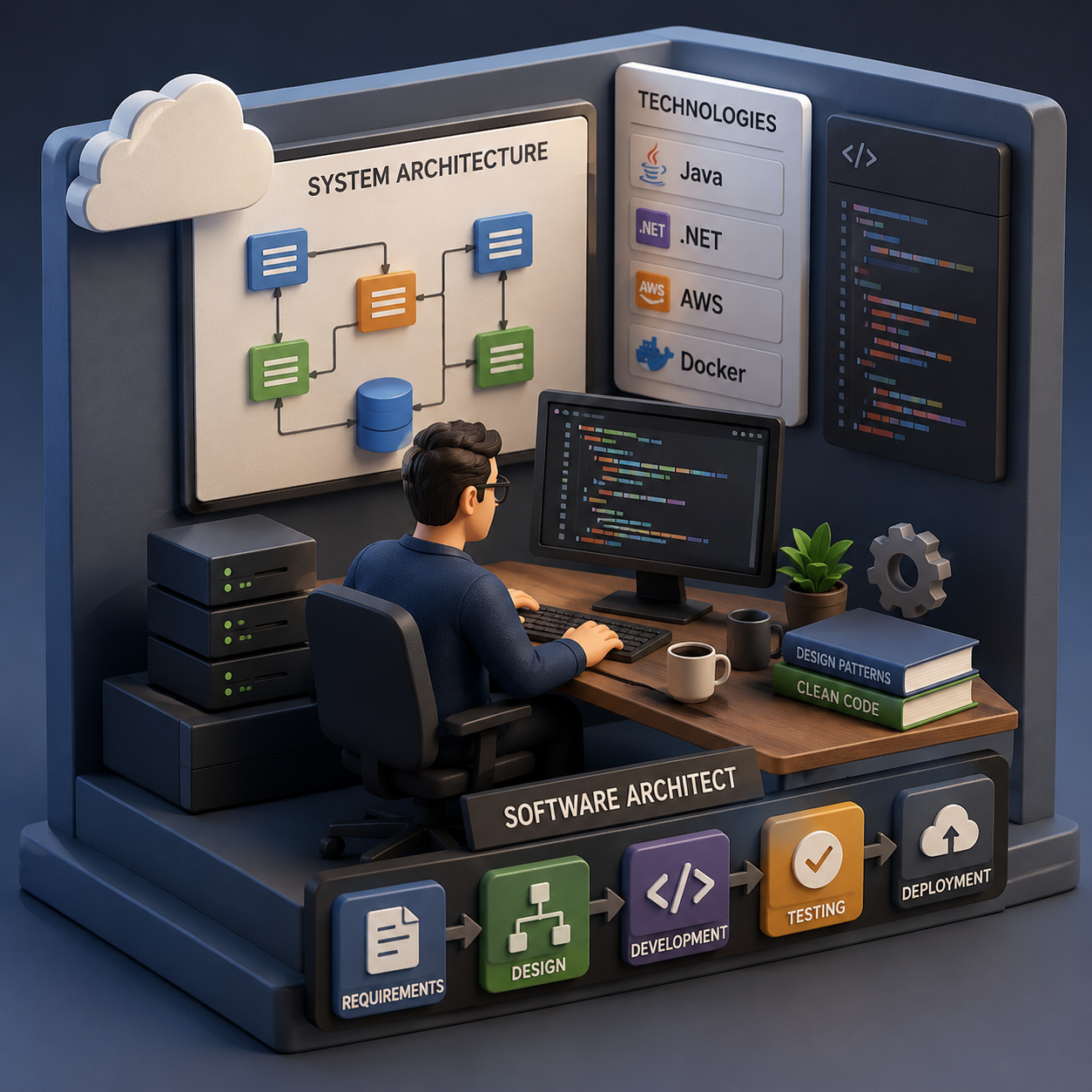
A Software Architect designs the overall structure and technical blueprint of software systems, ensuring scalability, security, and performance. They bridge business requirements and technology solutions, guiding development teams toward efficient and maintainable software architectures.
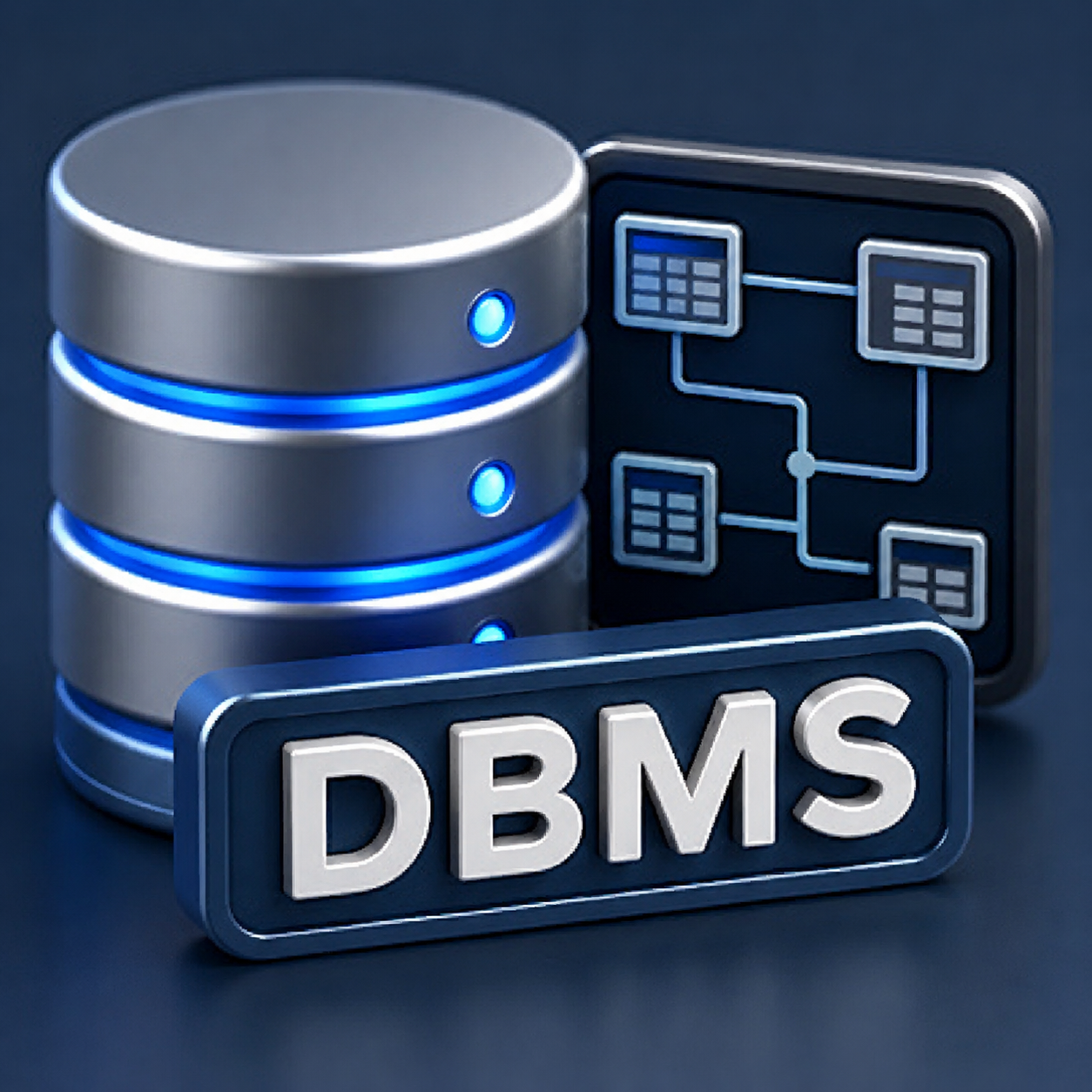
A Database Management System (DBMS) is software used to store, organize, and manage data efficiently. It enables users to create, retrieve, update, and delete data from databases. DBMS ensures data security, consistency, and easy access to information.
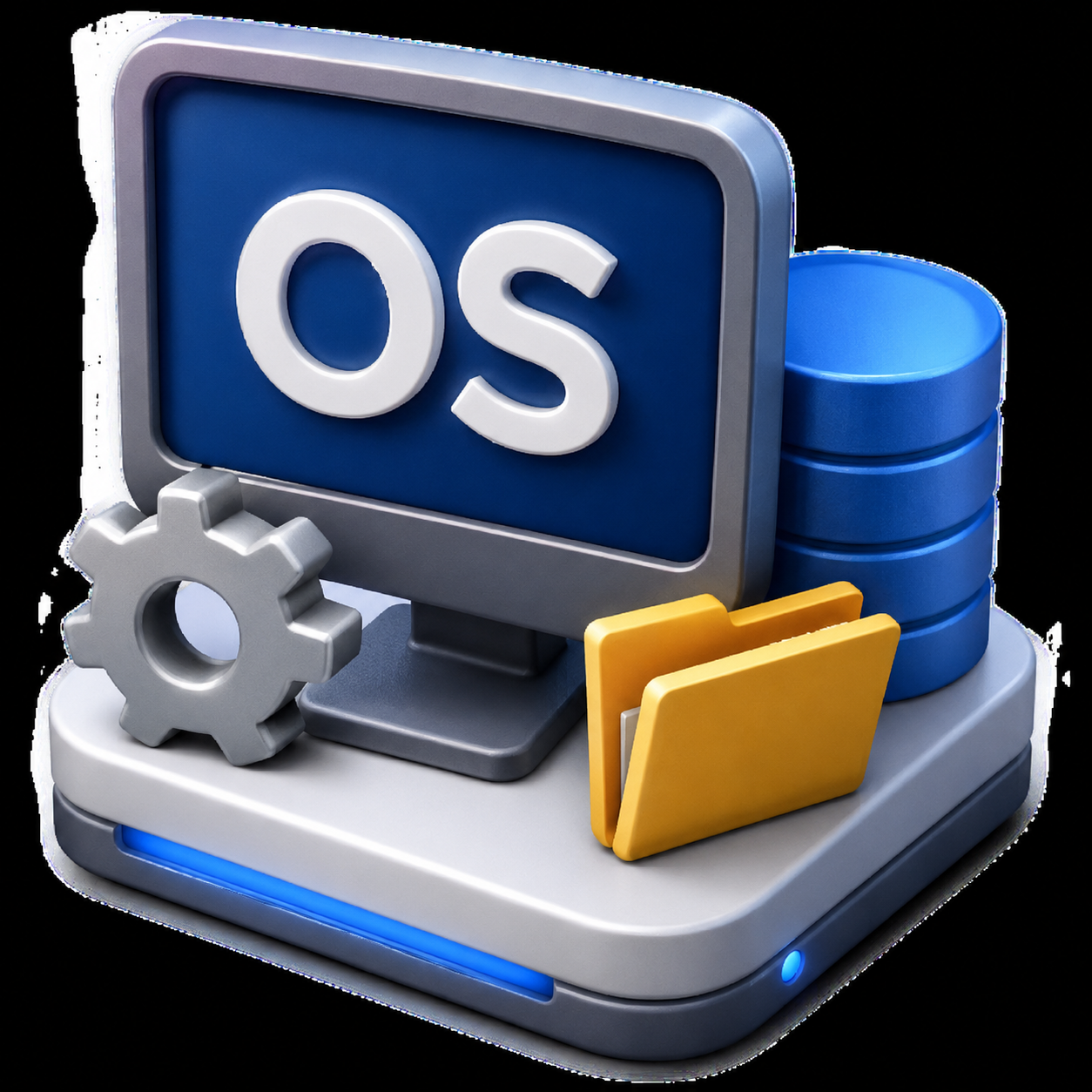
An Operating System (OS) is system software that manages computer hardware and software resources. It acts as an interface between the user and the computer hardware. It enables users and applications to run efficiently and securely.
Learn how Redis Server and Client work together in this practical tutorial. Understand Redis architecture, installation, configuration, and client connections. Explore essential Redis commands for storing, retrieving, updating, and deleting data.
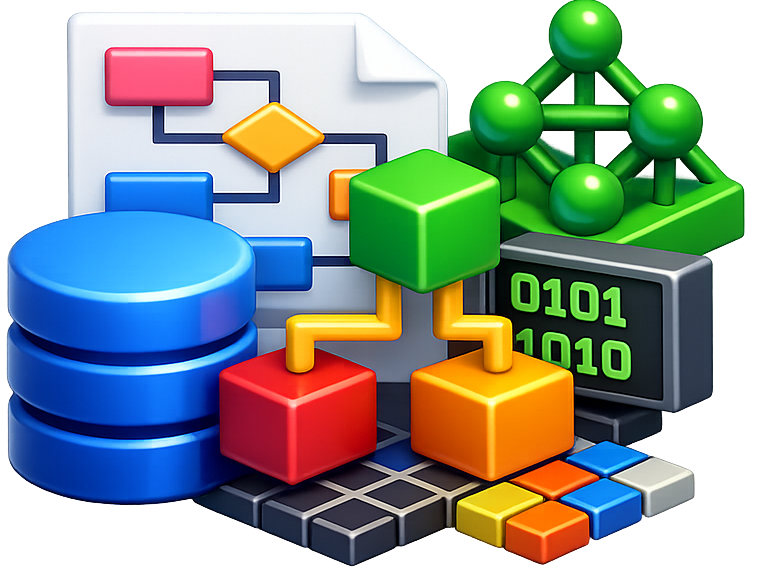
Data Structure is a way of organizing and storing data efficiently inside a computer. In this animated tutorial series, you will learn how different Data Structures work using simple visual explanations. From arrays to trees and graphs
Python is a high-level, easy-to-learn programming language known for its simple syntax and versatility. It is widely used in web development, data science, artificial intelligence, automation, and software development.
Python is a high-level, easy-to-learn programming language known for its simple syntax and versatility. It is widely used in web development, data science, artificial intelligence, automation, and software development.
Intermediate Python focuses on writing cleaner, more efficient, and reusable code using advanced language features. It helps programmers build scalable applications with improved problem-solving skills.
Advanced Python focuses on writing efficient, scalable, and production-ready applications using powerful language features and modern programming techniques. It equips developers with the skills to build robust software through concurrency, automation, API integration, and database management.
In this section, you will learn through engaging and interactive slides.
Learn the fundamentals of Operating Systems through engaging slides covering processes, memory, files, and system management.
Learn the fundamentals of Database Management Systems (DBMS), including data organization, storage, and retrieval. Understand how DBMS improves data security, consistency, efficiency, and accessibility.
Master the world of cybersecurity with hands-on ethical hacking and penetration testing techniques. Learn to secure systems, identify vulnerabilities, and defend against modern cyber threats.

Computer Networks connect computers and devices, enabling them to communicate and share data efficiently. They form the foundation of the internet, cloud computing, and modern digital communication.

Master the world of cybersecurity with hands-on ethical hacking and penetration testing techniques. Learn to secure systems, identify vulnerabilities, and defend against modern cyber threats.
Blockchain is a decentralized digital ledger that records transactions in a secure, transparent, and tamper-resistant manner

Blockchain is a decentralized digital ledger that records transactions in a secure, transparent, and tamper-resistant manner.
Most free tutorials are scattered blog posts written in minutes. PrimeLearnPoint is different — every topic is a structured curriculum, every tutorial goes deep, built to help you truly understand, not just copy-paste.
Every topic follows a logical progression — from fundamentals to advanced concepts. No more jumping between random articles.
Every tutorial includes working Python code with output — not pseudocode. Copy it, run it, see it work immediately.
Complex concepts explained through real-world stories — how HDFC Bank uses ML for fraud detection, how Google's spam filter was built.
SVG diagrams, bias-variance curves, confusion matrices — built into every tutorial so you see what's happening.
No paywalls. No premium tiers. Every tutorial, every code example, every diagram — completely free, always.
Written by Dr. Mohit. Genuine expertise in every explanation — not AI-generated filler.
PrimeLearnPoint is built and maintained by Dr. Mohit
A Data Science educator and practitioner. Every tutorial is written from first-hand teaching and industry experience — with the goal of making complex topics genuinely accessible.
"The biggest barrier to learning Data Science isn't algorithms — it's the lack of clear and honest explanations for beginners."
Everything you need to know before you start. Can't find the answer?
Contact us